
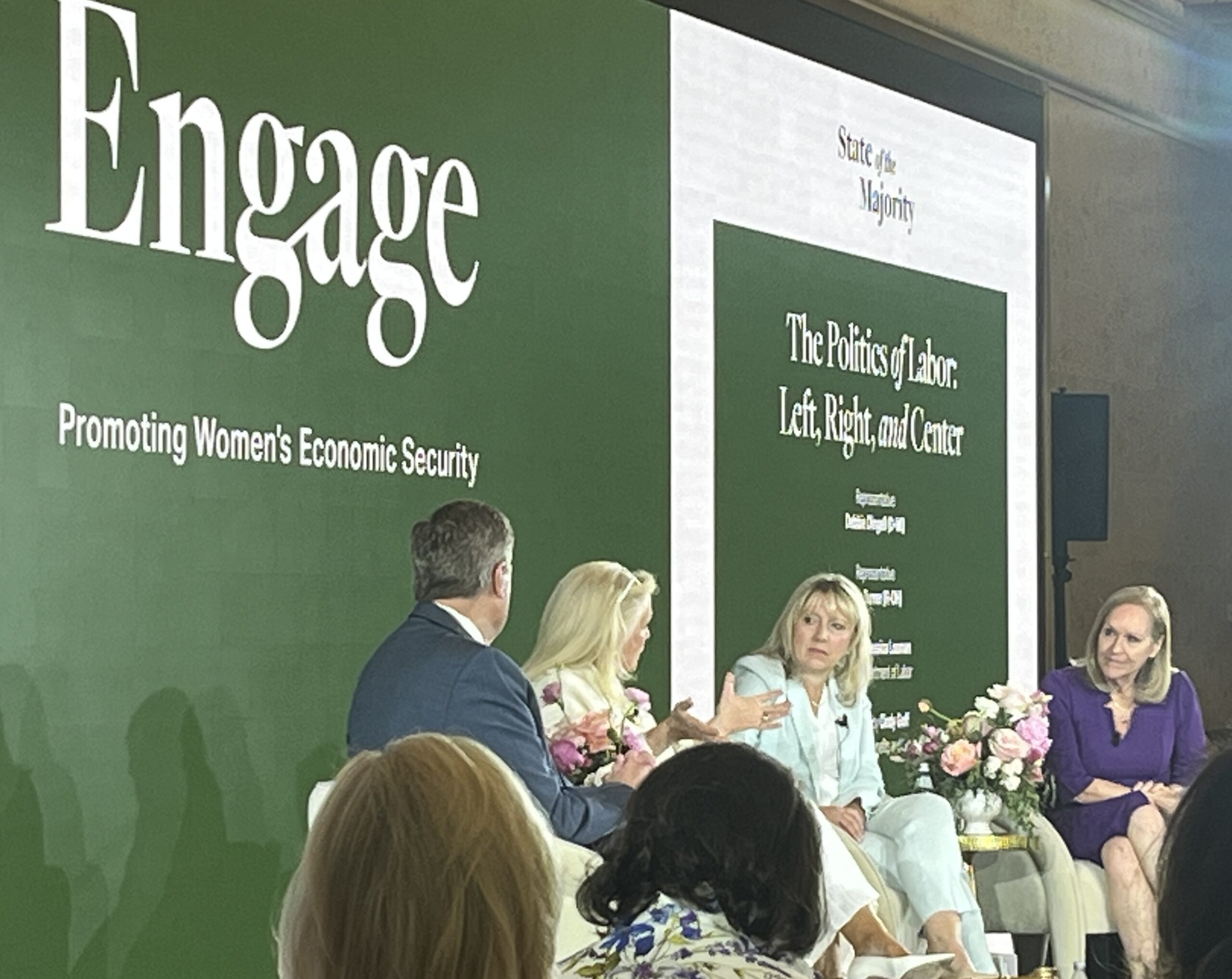
I heard a statistic at the Engage Conference that truly resonated with me.
Money arguments are the second leading cause of divorce in America — right behind marital infidelity. — Ramsey Solutions, survey of 1,000+ U.S. adults
Did it surprise you? It shouldn’t, perhaps. When we talk about marriage, we talk about communication, trust, and compatibility. We read books, encourage therapy, and fill weekends with premarital counseling and couples retreats. And for good reason, as those programs help create supportive marriages and partners in supportive relationships tend to have better long-term health outcomes and greater financial stability. But perhaps as important is money. Or more precisely, how to talk about it, share it, and lessen the anxiety that sometimes comes with it.
The data bears this out beyond one study. Financial problems contribute to between 20% and 40% of all divorces in the United States. Among Gen Xers, 41% cite finances as the primary reason their marriage ended. Among Boomers, it’s 29%. These are not outliers. This is a pattern and it runs directly through the lives of women.
For women, financial insecurity carries its own particular weight. It shapes the choices available and heavily influences whether someone can leave a bad situation at home or at work. It determines whether a setback such as a health crisis, a job loss, or divorce itself, will become a temporary hardship or a permanent derailment.
This is something I’ve carried into my work for a long time. I taught career planning for years, and one of the things I returned to again and again was this: career planning and financial planning are not separate conversations. They belong together. The decision to go back to school, to take a lower-paying role with more growth potential, to leave a job that is making you miserable each carries a financial cost that most people haven’t mapped out in advance. You cannot make a sound career decision without understanding your financial position first. And you cannot build genuine financial security without a career strategy underneath it.
It sounds obvious. But I’ve watched people I coach take on debt for a car or a vacation right before they wanted to return to school. I watched them accept a promotion without calculating what the increased cost of childcare would actually net them. Career and money decisions get made in separate mental compartments, and the gap between them is where a lot of hardship sometimes takes root.
My father understood this decades before most people were willing to say it out loud. When I was in high school and college, my father, who hadn’t been especially involved in the details of my schooling, suddenly had a great deal to say. He was adamant about one thing above all others: I needed to always be able to support myself and any family I might have, without depending on a husband to do it. He was a faithful husband to my mother but in his work, he had hired too many women trapped in low-skill, low-wage jobs, struggling because they were divorced, or married to men who couldn’t provide financial security. He had watched capable women with no runway, no options, and no way out.
He believed, firmly, that a strong marriage was actually strengthened by a woman’s financial independence, not threatened by it. A woman who didn’t need to stay was choosing to stay. That, he thought, was the foundation of a real partnership.
The Equal Credit Opportunity Act passed in 1974, finally giving women the right to open credit in their own name. I was thirteen years old. Five years later, when I turned eighteen, my father took me to the bank and we opened a credit card in my name. It was a quiet, deliberate act that said you need to build your own financial identity. He was ahead of his time, and I have never forgotten it.
This is why the conversation at Engage wasn’t about charity or sympathy. It was about economics, policy, access, and the structural changes that make genuine security possible. In my work with leaders and organizations, I often hear economic security framed as a personal responsibility issue including work hard, save smart, plan ahead. Those things matter. But fair wages, equal opportunity, and a workplace culture that doesn’t surreptitiously push women out matter just as much. Financial insecurity doesn’t just hurt individuals: it strains families, reduces productivity, and costs organizations talent they can’t afford to lose.
The aperture, as Rachel Pearson put it at the opening of the Engage conference, needs to be wider. We need to see more of what’s actually happening.
So here are the questions I’ll leave you with: In your organization, is women’s economic security treated as a genuine business priority? Is it something essential to retaining skilled, committed people? Or is it still in the category of nice to have, something to consider when there’s time and budget and no competing urgency?




0 Comments