
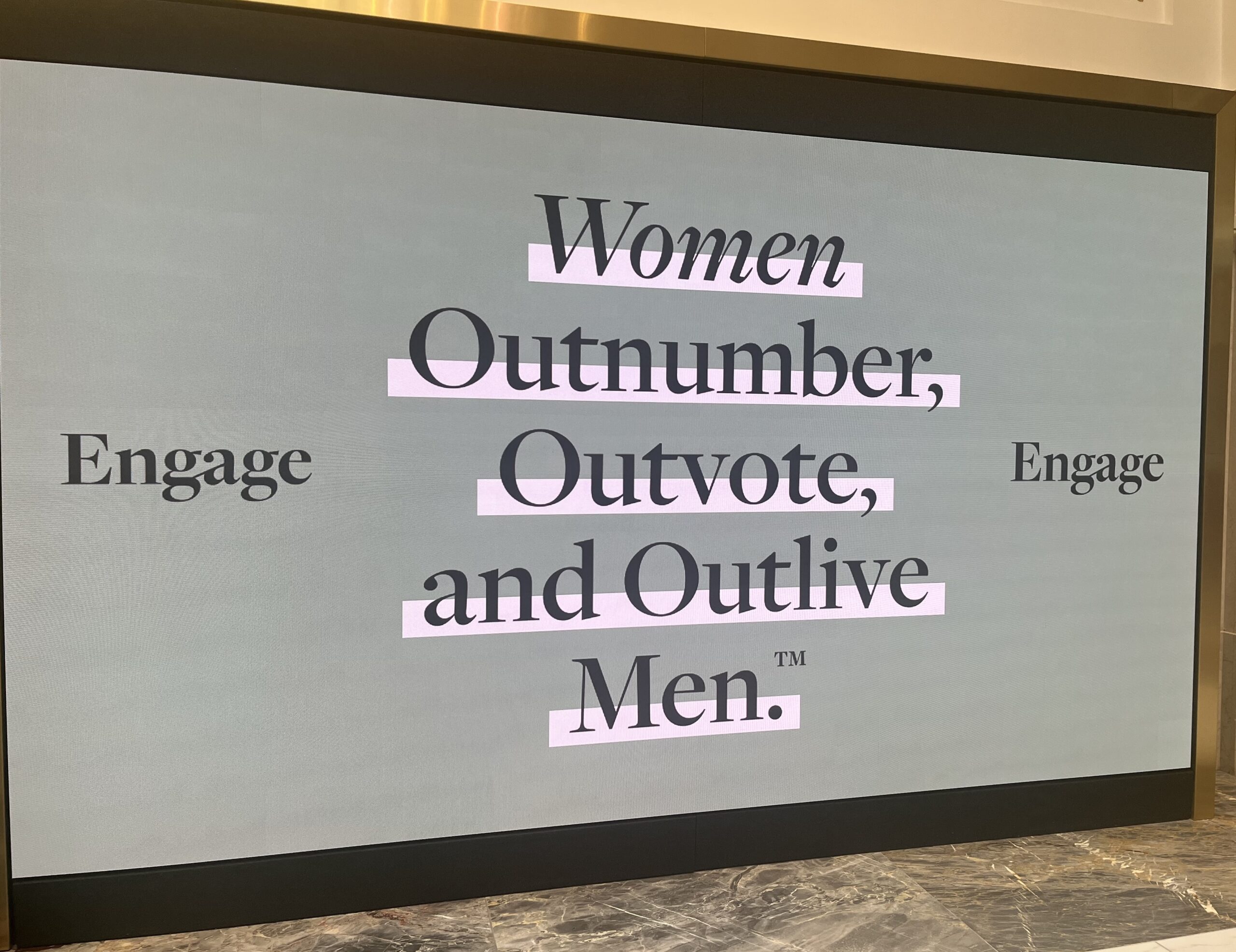
Last week I wrote about a line from the Engage Conference that has stayed with me: Jobs Don’t Have Genders. During the course of the day, I made a list of what needs to be in place for women and those in marginalized communities to both enter and remain in traditionally male professions:
- Elementary and middle school students need to know these careers exist and are available to them.
- Teenagers need to see women, minorities, and those in marginalized groups in those roles. On a screen works if necessary, but real people in their lives are far more powerful.
- Trade schools need to actively recruit and welcome women and minorities, not wait for them to apply.
- Funding, training, and education need to be affordable and genuinely accessible.
- Mentors matter, and ideally they should be women, and minorities, although men who genuinely care can be transformative too.
- The workplace itself must be emotionally and physically safe which means free from the sexist, bigoted, or racial comments. Harassment, teasing, and taunting quietly pushes “others” out and leaves too much room for less qualified workers.
- And leaders at the top need to be unambiguous: this is what we expect, and there are consequences when those expectations aren’t met.
None of the list is radical or new, but all of it requires intention. Most of it requires leaders who are willing to look honestly at what their culture is actually creating and not just what their handbook says.
The good news is that awareness is the starting point. When leaders begin noticing the unspoken assumptions baked into how they hire, how they assign high-visibility work, and how they run performance reviews, things can change. I’ve seen it happen, but it takes intention, commitment, and consistency.
The young woman in IT whose promised promotion was given to an acquaintance of her boss deserved a transparent process. A manager who understands that how he treats an internal candidate, especially one that exhibits incredible talent, and has already been told to expect a promotion, shapes not only her but the entire organization. He created culture with that decision, but probably not the culture he was seeking.
So here’s the question: In your organization, are opportunities truly open to everyone with the skills and the drive? Especially those in marginalized communities?




0 Comments