
If you were around in the late 1980s, you probably remember this iconic commercial for a medical alert pendant. Mrs. Fletcher, the elderly woman featured, had fallen but was able to summon help with the push of a button.
The ad struck a chord because we can all imagine someone’s grandmother or grandfather losing their footing and desperately needing support. But what about you? What happens when you’ve fallen emotionally?
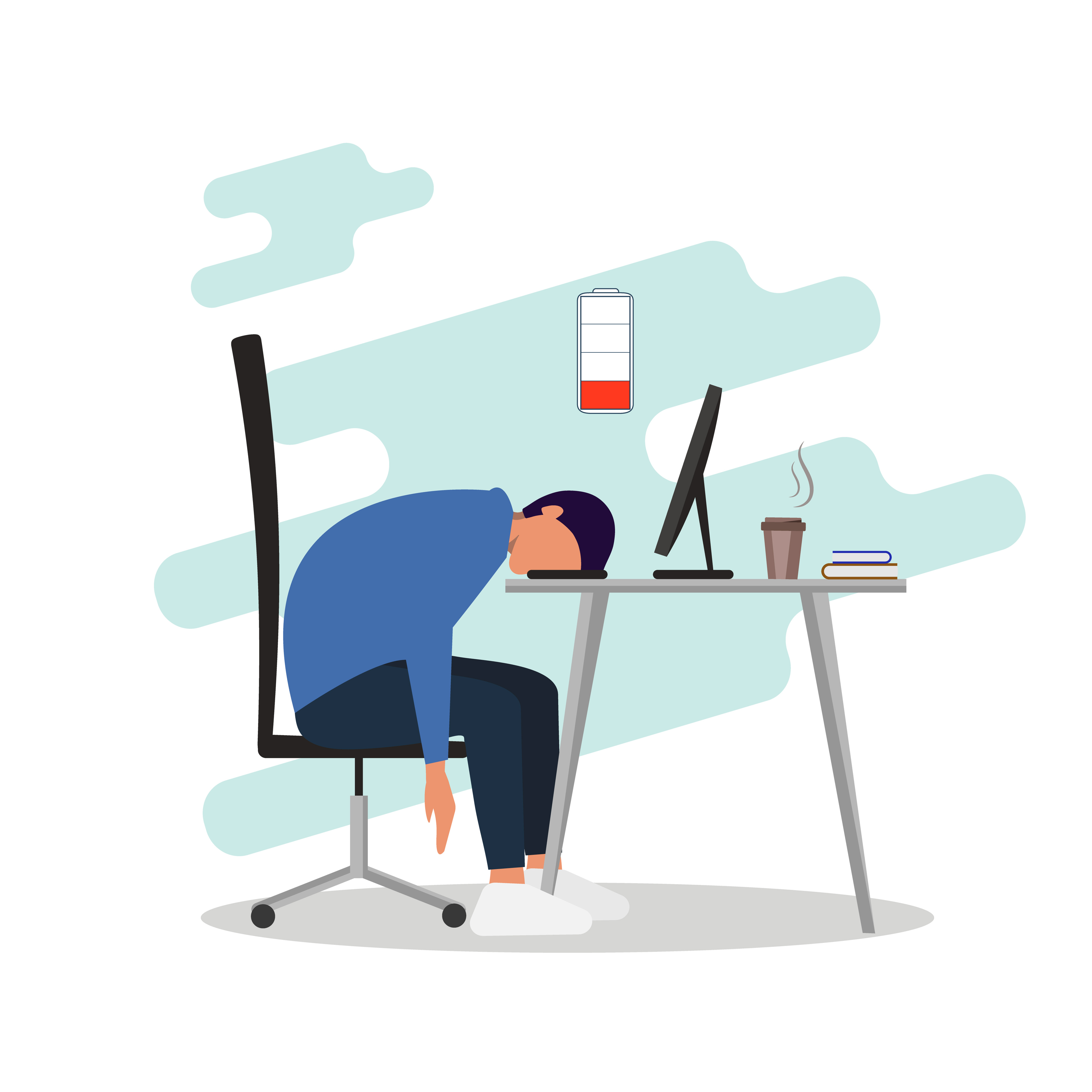
Last month, I wrote about Quiet Cracking, a new term for the state many employees find themselves in: they’re still showing up, but they’re depleted, burned out, and on the verge of a breakdown. I heard from a number of readers and some said, “This is me!” How do you know if you are at a point when you need to call for help?
Signs That You May Be “Falling”
Life brings normal ups and downs, but there are clear red flags that shouldn’t be ignored:
- Work feels unbearable – You dread logging on or showing up, and each task feels like climbing a mountain.
- Persistent exhaustion – You’re constantly tired, battling headaches, stomach aches, or insomnia.
- Loss of joy – Work projects that used to challenge you now overwhelm you. Activities you once loved now feel flat, even burdensome. You don’t want to go to your friend’s party. You are too tired to take that hike. You decided against going with your friends on a weekend get away because it’s just too much effort.
- Critical or negative mindset – You find yourself judging your colleagues harshly. You have less patience at work and the colleagues you used to find difficult are now unbearable. You are often sighing and making other negative nonverbal expressions.
- Short fuse – Friends, family, or loved ones get the brunt of your irritability.
- Always “on” but not effective – You check emails and chats late into the night without corresponding productivity, and the effort contributes to your increasing resentment.
Recognize yourself in some of these? You’re not alone. Many people are walking around wearing emotional weights no one else can see. If this sounds like you, don’t ignore it. Talking to someone doesn’t make you weak; it gives you tools to get back up. Seek the support of a pastoral counselor or a therapist. Find out about your organization’s EAP (Employee Assistance Program).
Next week, I’ll shift the focus to leaders and how they can recognize when their employees are cracking and what to do to support them before they hit the breaking point.



0 Comments