
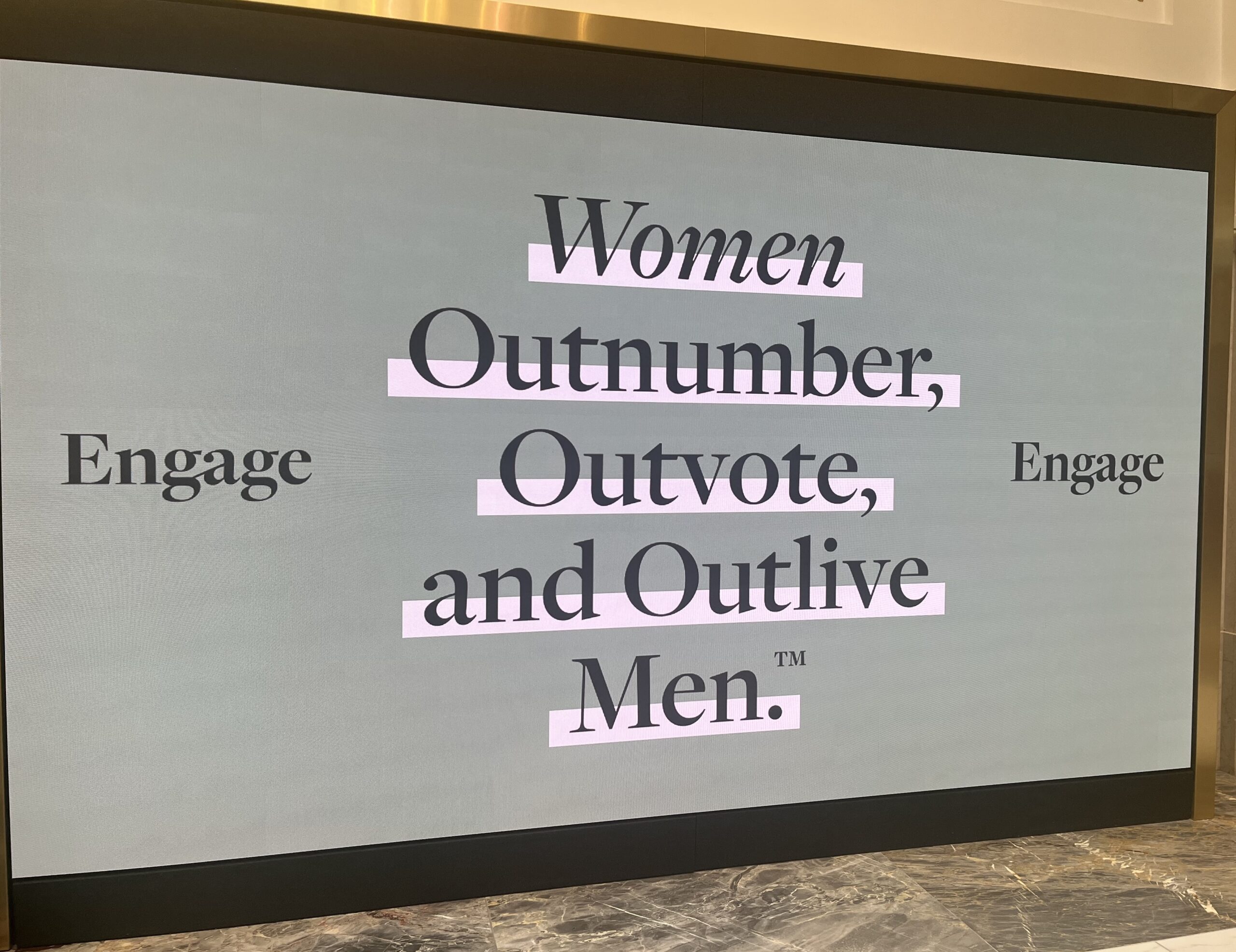
At the Engage Conference I wrote about last week, the panelists — Dr. Lynn Shaw, founder of WINTER (Women in Non-Traditional Employment Roles), Iliana Flores from the Teamsters, Ariane Hegewisch of IWPR, and Lark Jackson of Chicago Women in Trades had me riveted. The panelists were sharp, direct, and so informed. And one line from Ariane Hegewisch stayed with me the rest of the day.
“Jobs don’t have genders.”
The four words were repeated throughout the conference and they were so simple and almost obvious, except that if it were truly obvious, we wouldn’t still picture a man when someone says “plumber.” We wouldn’t still be having the same conversations about who gets hired, who gets promoted, who gets paid, and who gets passed over.
I’ve spent years working with organizations on leadership and performance. I’ve sat across from talented professionals, both men and women, and watched the same patterns. Certain opportunities that were theoretically open to everyone were, in practice, not quite as reachable for women or for those from marginalized communities. Not because of a policy but because of history, familiarity, and perhaps a mental image that is not questioned enough.
Jobs don’t have genders. But our workplaces, our systems, and sometimes our own thinking still act as if they do.
I was reminded of this just this week, sitting with a client I’ll call Sarah. She’s a capable, hardworking woman early in her career in IT. She’s the kind of person who lights up a room and a project. Just two weeks before our session, her hiring manager had told her directly that she would be promoted. Then, without apparent awareness of the impact, that same manager began pursuing a man from a previous organization for the role. He knew the man’s work and he also knew Sarah’s work. The difference was experience, and the choice made was a hire he was more comfortable with rather than an investment in the talent already in front of him.
Sarah is now understandably disengaged. She no longer trusts her manager. She’ll stay for now, because she doesn’t have another opportunity waiting but the organization will see less of her creativity, less of her drive, less of the energy she walked in with. They are about to lose something they don’t even realize they had.
This is how culture gets made. Not always with malice, but with decisions that can be justified on paper while quietly hollowing out loyalty and opportunity from the inside. A hiring manager defaults to a familiar face, someone who looks like the people he has always worked with, always trusted, always promoted. It feels comfortable to him yet it is costly to her. And it is enormously costly to the organization, whether they ever connect those dots or not.
While the panelists at Engage spoke, I made a list in my margin of what actually needs to be in place for women to enter and stay in traditionally male professions. Next week I’ll share those thoughts, along with strategies for leaders to create opportunities that are truly open to everyone.




0 Comments