
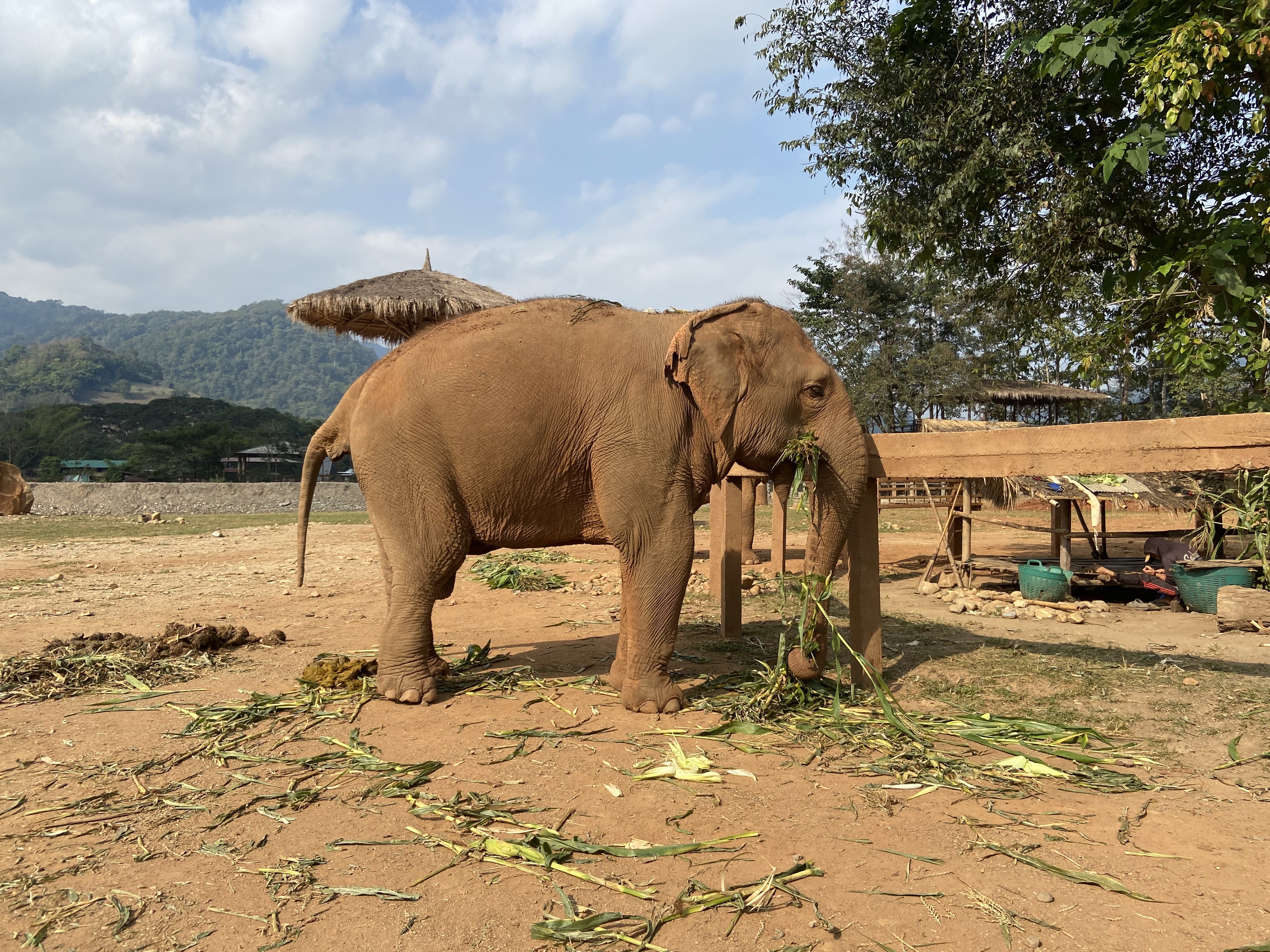
At the beginning of this year, I traveled to Thailand, where I visited Elephant Nature Park, a sanctuary dedicated to the well-being of rescued elephants. As I marveled at the harmonious existence of these majestic creatures in a natural environment free from exploitation, I couldn’t help but think back to the lessons I learned decades ago from James Belasco’s book Teaching the Elephant to Dance. Belasco explores organizational change and how managers can best communicate their vision and effect change. As I tried to focus on the elephants, I kept thinking about organizational culture in the business world.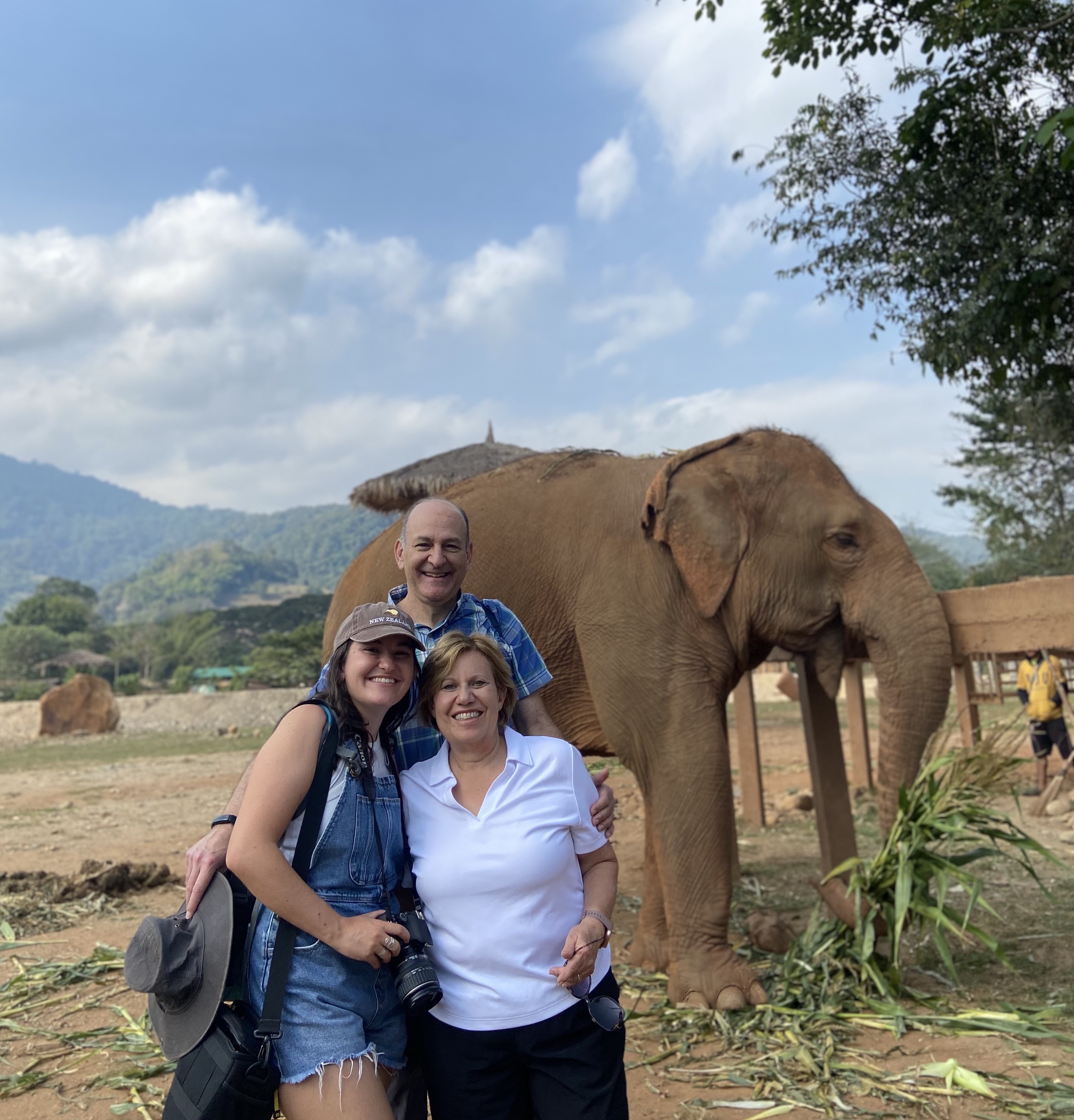
On our tour we learned about the elephants’ innate tendency to stay together and this was demonstrated in real time, as there was no gating or barriers to keep the elephants in the park. This is because elephants have a complex social structure that values social cohesion and shared purpose. I was reminded that organizations are well served when they foster a sense of belonging and collaboration within their workplaces.
Reflecting on the profound insights gleaned from James Belasco’s book, I was struck by the parallels between the challenges faced by large organizations and the social dynamics of elephant herds. Belasco’s exploration of encouraging organizational agility and creativity is still relevant in today’s fast-paced business landscape, where adaptability and innovation are vital to an organization’s success.
In Belasco’s framework, visionary leadership, a culture of experimentation, and empowered employees are key drivers of organizational transformation. By embracing these principles, businesses can cultivate a more dynamic and positive culture, where employees feel valued, engaged, and motivated to contribute their best, i.e. the “elephants will dance.”
However, the question remains: why do employees stay in organizations that no longer serve their needs or aspirations? Why don’t the elephants strike out on their own? How can employers leverage insights from the Elephant Nature Park and Belasco’s teachings to create environments where highly desirable talent chooses to remain and thrive?
The answer lies in fostering a culture of social connection, trust, and purpose. Just as elephants rely on their social bonds for protection and resource sharing, employees seek meaningful connections and a sense of belonging in their workplace. By prioritizing transparency, open communication, and opportunities for collaboration and growth, organizations can create a more cohesive and resilient culture that attracts and retains top talent.




0 Comments