
In the spring of 2017, a former client flattered me by inviting me into his new company to work with their eleven person senior leadership team on culture. “They work well enough together,” he said. “But something’s missing.” We met several times discussing how to make the program meaningful.
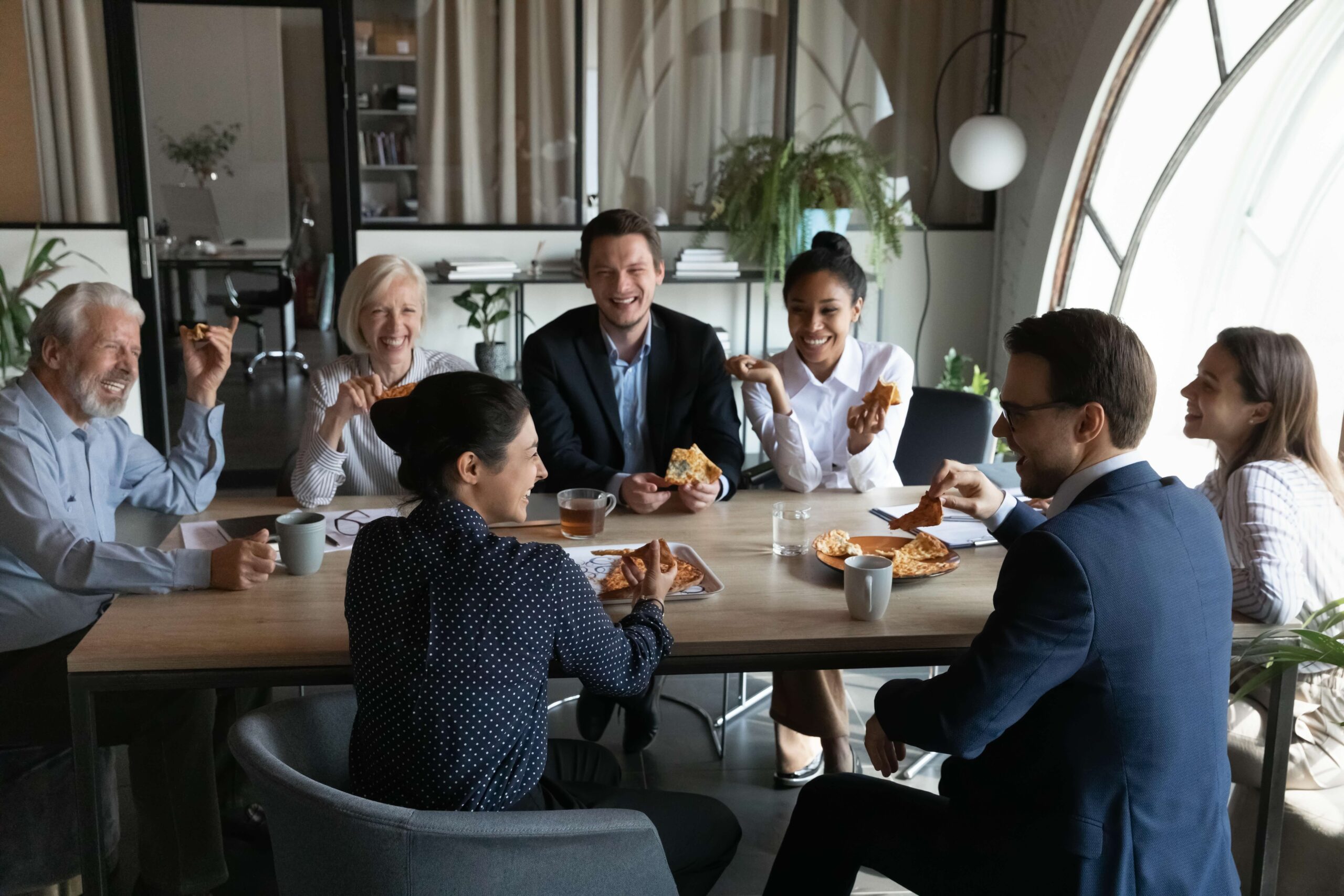
When I delivered the morning session, it went well. There was engaged discussion, thoughtful participation, good candor. Then lunch arrived. Three large bags. Two restaurants. One with the word Curry printed boldly on the side.
As lunches were being distributed, the CEO said loudly, “I can’t believe people eat that (expletive).” Nervous laughter followed and then he continued, “It’s so annoying that we have to order from two different places. Why can’t everyone just eat American?”
There was more laughter, tighter this time. I wasn’t laughing. I was calculating what to say in that very public place to the leader of the company. At that moment, the culture problem became evident. It was sitting at the head of the table.
I was leading that day, but it was his company. It reminded me of my graduate school studies of Edgar Schein, who argued that culture operates on three levels:
- Artifacts – what we see and hear
- Espoused values – what we say we believe
- Underlying assumptions – what actually drives behavior
Mission statements are espoused values. Nervous laughter? That’s an artifact. And artifacts are data. They reveal the underlying assumptions in real time.
In that lunch moment, I knew the group didn’t feel safe enough to challenge the CEO’s comment, but they weren’t comfortable fully accepting it either. Harvard professor Amy Edmondson uses the term psychological safety, which is the shared belief that it is safe to take interpersonal risks.
When people laugh nervously instead of speaking honestly, psychological safety is compromised. During lunch, I spoke privately with the CEO, and asked what impact he thought his comments might have had.
He dismissed it. “You’re taking this too seriously. I was just kidding.” He left early and skipped our previously scheduled debrief.
But that wasn’t the most important moment. The most important moment came later; I will share it next week.
In the meantime, I am curious, what would you have done if you had been at that lunch?


0 Comments